

Paphos vs. Limassol: Where Should You Live?
The Short Answer Up Front
If you work in the tech, finance or shipping sector, are looking for an urban, international environment and bring a higher budget, Limassol is almost always the right choice. If you're retired, have a family that craves peace and nature, work remotely or simply want to live 30–40% cheaper, you'll usually feel more at home in Paphos. Both cities sit on the southwest coast, only about an hour's drive apart — yet they tick completely differently.
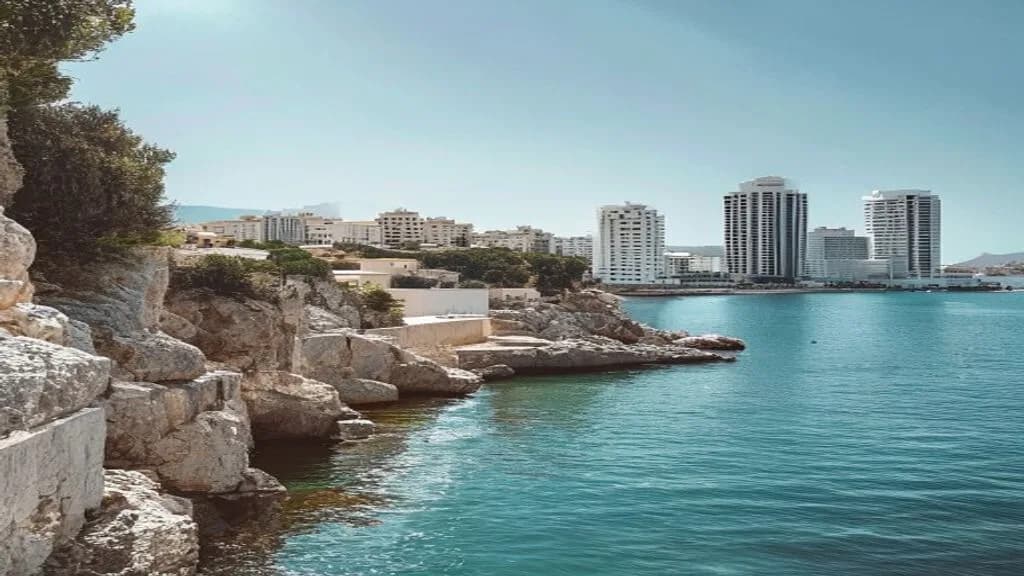
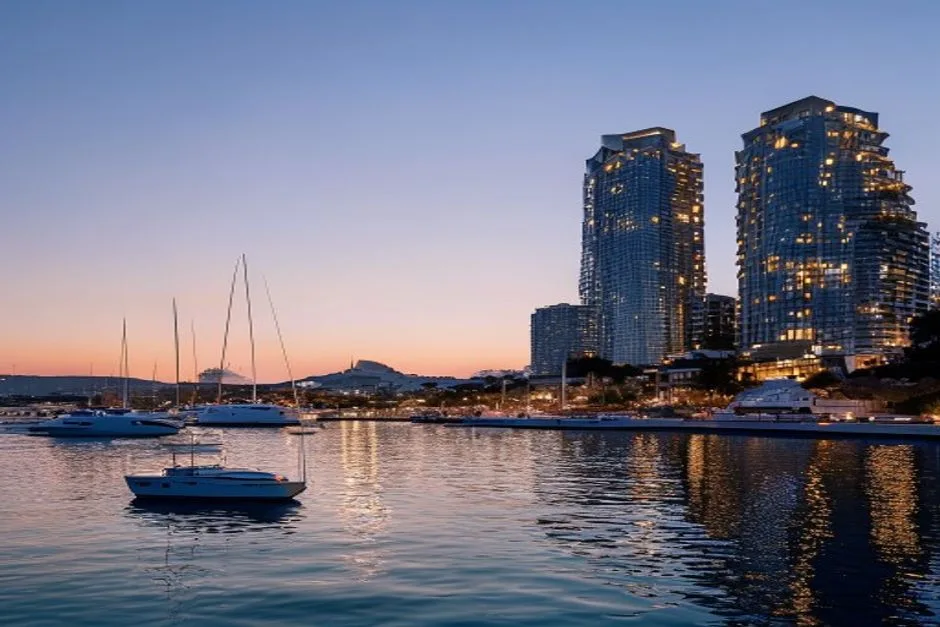
Limassol is the island's economic powerhouse: high-rises, a marina, forex and tech headquarters, fast pace, high prices. Paphos is greener, quieter, more traditional, considerably more affordable, and has for decades been home to a large British and German-speaking community. Which city is "better" doesn't depend on the city, but on your stage of life, your budget and your pace.
This article compares both cities across more than a dozen dimensions — fairly, concretely and without made-up figures. All prices are hedged ballpark values (as of 2026); for binding information, we link to official and reputable sources at the end.
The Quick Comparison at a Glance
| Dimension | Paphos | Limassol |
|---|---|---|
| Lifestyle feel | quiet, green, traditional | urban, fast, cosmopolitan |
| Cost of living (general) | noticeably cheaper, especially rent | the priciest city in Cyprus |
| Rent for a 1-bed apartment | approx. €600–1,200/month | approx. €1,200–2,500/month |
| Job market | tourism, real estate, services | tech, finance, forex, shipping, iGaming |
| Expat community | very large (British/German, many retirees) | very international (50+ nationalities) |
| Nearest airport | Paphos (PFO) – small, low-cost | Larnaca (LCA, ~60–75 min) – main hub |
| Pace | slowed-down | dynamic |
| Ideal for | retirement, families, remote workers | professionals, careers, nightlife |
This table is the essence. The next sections go deeper.
Rents & Property Prices: The Biggest Difference
By far the clearest difference comes down to housing. Limassol is the most expensive city in Cyprus, while Paphos sits roughly 30–50% below it on housing costs — and for rents, sometimes by a factor of two.
Rent Levels (ballpark, as of 2026)
- Paphos: A decent 1-bedroom apartment is often available from around €600–900/month, with more modern or beachfront units running closer to €800–1,200. 2-bedrooms frequently land in the €900–1,400 range.
- Limassol: A 1-bedroom apartment in a good location averages more like €1,500–2,500/month; prime areas such as Potamos Germasogeias, Limassol Marina or Agios Tychonas quickly push 2-bedroom apartments above €3,000–3,500.
In concrete terms: in Limassol you often pay twice as much for comparable housing as in Paphos. Anyone arriving with a fixed budget gets noticeably more square metres, garden or sea views for the same money in Paphos.
Purchase Prices (ballpark, as of 2026)
The same pattern shows up when buying:
- Paphos: Older resale apartments often in the range of around €1,700–2,400/m². A modern 2–3-bedroom apartment in Kato Paphos (approx. 95–120 m²) sits roughly at €220,000–450,000.
- Limassol: Average roughly €3,500/m², with prime coastal locations and marina-adjacent new builds ranging from around €4,500 to €8,000/m² and up — Limassol Marina itself breaks every comparison at around €7,500–12,000/m².
Important: the property market moves. Limassol recently recorded the island's strongest annual price increases (just under 10% in Q4 2025, according to globalpropertyguide). When buying, you should also keep the usual incidental costs and tax-related factors on your radar — such as transfer fees, VAT and stamp duty. The actual rates, amounts and exemptions change and depend on the individual case: clarify the details when buying with a professional adviser / official bodies. This is not legal or tax advice.
Everyday Cost of Living
Bottom line: Paphos is noticeably cheaper in everyday life than Limassol — the biggest lever is and remains rent (see above), but the general level in Paphos tends to be lower beyond housing too. Limassol is the most expensive city in Cyprus, which shows up especially in housing, restaurants and services in the trendy districts.
We deliberately avoid giving falsely precise monthly budgets for a single person, couple or family here — such blanket figures swing widely depending on lifestyle, location and exchange rate, and they go stale fast. For a detailed, regularly updated breakdown by city and household type, see our dedicated article: Cost of Living in Cyprus 2026.
A rough qualitative orientation: for restaurants, cafés and services the gap is real but smaller than for rent — a cappuccino or a taverna meal tends to cost more in Limassol's trendy districts. Supermarket prices (Lidl, Alphamega, Sklavenitis) are similar island-wide. Electricity and water are no bargain anywhere in Cyprus, especially in high summer due to air conditioning — and that affects both cities equally.
Job Market: Limassol's Clear Home Advantage
Anyone who wants to work in a local employed role has vastly more options in Limassol. Limassol is Cyprus's economic engine and home to a dense cluster of:
- Forex & fintech (e.g. large brokers with hundreds of employees and dozens of nationalities)
- Tech & software (development, product, support)
- iGaming
- Shipping (Limassol is one of Europe's largest shipping centres)
- Professional services (legal, accounting, compliance)
The decisive point for newcomers: most English-speaking roles — in IT, finance, iGaming and shipping — are concentrated in Limassol. Without Greek language skills, starting a career here is far more realistic than elsewhere on the island. Platforms like LinkedIn, Indeed and local portals (Ergodotisi, Carierista) are the usual starting points.
Paphos is weaker on the classic job market: tourism, hospitality, real estate, construction and local services dominate. Well-paid office jobs in the tech/finance space are rare. That's precisely why Paphos is ideal for remote workers and the self-employed who bring their income with them — they get Limassol-quality coastal living without the Limassol rent.
German-Speaking & International Community
Both cities have strong expat structures, but with a different character.
Paphos: Large, Established, British-German in Character
Paphos has the largest foreign community in Cyprus and a very large British as well as an established German-speaking community (estimates of around 25,000 foreigners in the area). Grown over decades, it's home to many retirees but increasingly also younger families and remote workers. English is everywhere, and German-speaking groups, regulars' tables, clubs and Facebook/WhatsApp communities are well organised. For many German speakers, this dense network is the main reason to choose Paphos.
Limassol: Younger, More International, More Professional
Limassol is more cosmopolitan and shaped by work. Thanks to the international firms, people from 50+ nations live here — many Eastern Europeans, Israelis, Brits, Scandinavians and a growing German-speaking scene from the tech/finance environment. The community is younger, more connected through work, but less "retirees' regulars' table" and more "networking event".
The Neighbourhoods Compared Directly
Paphos
- Kato Paphos – the touristy heart by the harbour, lots of infrastructure, restaurants, the archaeological park (UNESCO). Lively, crowded in summer, a good choice for anyone who wants to live centrally and without a car.
- Coral Bay / Peyia – popular with families, lovely beaches, quieter, very expat-oriented. A car is recommended.
- Tala – a hillside village above the sea, cooler in summer, a strong British-German community around St Stephen's, gorgeous views. A car is essential, about 10–15 min to the beach.
- Chloraka, Universal, Konia, Tremithousa – mixed locations with good value for money.
Limassol
- Germasogeia / Potamos Germasogeias – prime coastal location, modern, expensive, expat-favourite, close to business and beach.
- Mouttagiaka & Agios Tychonas – upmarket coastal districts towards the east, resorts, new builds.
- Limassol Marina – the luxury segment, yacht harbour, penthouses — the showcase of expensive Limassol.
- City centre / Old Town – a renovated old town with bars, restaurants, culture; urban living.
- Ypsonas / Kato Polemidia – considerably cheaper locations in the hinterland for budget-conscious families.
Beaches, Nature & Outdoors
Paphos scores on nature: the wild Akamas peninsula, the Avakas Gorge, Lara Beach (a turtle nesting site), Coral Bay and lots of greenery. The landscape is more varied and quieter — ideal for hiking, for nature lovers and for families.
Limassol has a long, well-developed seaside promenade (Molos), clean city beaches and quick access to the vineyards of the Troodos as well as ancient Kourion. The beaches are more urban and busier, less "untouched". If you appreciate the sea as an urban backdrop with cafés and a jogging route, this is the place for you.
Transport & Connections: PFO vs. LCA
This is an underrated but practical factor — especially for those commuting to Germany, Austria or Switzerland.
- Paphos (PFO): Its own small airport right on your doorstep (about 15–20 min). Heavily served by low-cost carriers and charters from the DACH region/UK — you'll often find cheap direct connections here. However, the route network is narrower and more seasonal than Larnaca's.
- Limassol: Has no airport of its own. Larnaca (LCA) is the island's most important, largest and most frequently flown airport (more airlines, more frequencies, often more year-round connections). From Limassol it's roughly 45–60 minutes by motorway, and from Paphos to LCA roughly 90 minutes.
Rule of thumb: anyone who flies to Central Europe often and flexibly benefits from Limassol's proximity to the LCA hub. Anyone specifically hunting for cheap direct flights to the DACH region often has the advantage with PFO on the doorstep. Note: flight schedules and airlines change seasonally — check current connections before deciding on a location.
Within town, the same applies to both: without a car, you won't get far in Cyprus. Public transport has room to grow; buses run, but rarely densely. Limassol suffers more from traffic and parking pressure; Paphos is more relaxed to get around.
Schools for Families
Both cities offer international private schools, mostly with an English curriculum (British National Curriculum) and English as the language of instruction.
- Paphos: Established institutions like the International School of Paphos and Aspire Private British School; around Coral Bay/Peyia there are smaller, family-run schools. School fees move roughly between around €4,500 (kindergarten) and €11,000 (A-Level) per year (ballpark, as of 2026).
- Limassol: A larger selection of international schools (including British, and some French/Russian programmes), matching the more international population — and correspondingly higher fees at prime institutions.
A German-speaking school in the sense of a full German curriculum is rare in Cyprus; most German-speaking families choose English schools and supplement German privately. Check waiting lists and admission requirements early — good schools are sought-after in both cities.
Healthcare
With GESY, Cyprus has a state healthcare system; alongside it there's a strong private sector.
- Limassol has the broader range of private clinics and specialists, plus more specialists.
- Paphos covers routine care well; for complex or highly specialised procedures, however, patients are more often referred to Nicosia or Limassol. Private providers (e.g. Iasis, Evangelismos) are well regarded.
Private health insurance for retirees runs, as a rough ballpark, at around €1,500–3,000/year — often considerably cheaper than comparable cover in the UK/DACH region. Separate rules apply for GESY access, mandatory insurance and residency status — inform yourself with the official bodies; this is not medical or insurance advice.
Nightlife, Culture & Pace
Limassol is the undisputed nightlife and culture capital of the south: bars, clubs, rooftop lounges, fine dining, festivals, the carnival, theatre and a lively restaurant scene. Something is happening here all year round, the pace is high, the crowd international.
Paphos is considerably quieter. There are bars and restaurants (especially in Kato Paphos), live music and seasonal events, but the level is more relaxed and family-oriented. Anyone looking for buzz and variety in the evening will find little in Paphos out of season — anyone looking for peace will be happy for exactly that reason.
Weather Nuances
Both cities share the Mediterranean climate with mild winters and hot summers. Subtle differences:
- Paphos is considered marginally milder and windier on the coast, with pleasantly cooler hill villages (Tala) in summer. The west tends to be a bit greener.
- Limassol can feel somewhat more oppressive and humid in the city in high summer due to the dense building; the seaside promenade catches the sea breeze.
The difference is small — both cities offer 300+ days of sunshine. Anyone who avoids extreme heat will appreciate the hill locations in Paphos.
Clear Recommendations by Stage of Life
Family with Children
Leans Paphos (unless you need Limassol's job market). More space for your money, quieter surroundings, nature, established international schools, a strong community. Coral Bay/Peyia and Tala are classic family locations. Limassol fits if both parents work there — then rather the hinterland districts for the budget.
Retirement
Clearly Paphos. Cheaper, quieter, a huge British-German retiree community, mild climate, good routine care. For complex medical cases, factor in the proximity to Limassol/Nicosia.
Professionals (Tech/Finance/Shipping)
Clearly Limassol. This is where the jobs, the network and the urban life are. Higher costs, but usually higher salaries in the sector too. Germasogeia/Mouttagiaka for lifestyle, Ypsonas/Polemidia for the budget.
Remote Workers / Digital Nomads
Leans Paphos for value for money and peace — you bring your income with you and save massively on rent. Limassol if urban coworking, networking and nightlife matter more to you than the rent.
Conclusion: There's No "Better", Only a "Better for You"
Ask yourself three questions: (1) Do I need a local job — and in which sector? (2) How much do I want to spend on housing? (3) Do I want pace or peace? Your answers point to the city almost on their own.
- Job in tech/finance/shipping, urban life, higher budget → Limassol
- Peace, nature, family, retirement, remote income, cheaper living → Paphos
And the best advice to finish with: rent before you buy. If possible, spend a few weeks or months in your dream city — ideally once in high summer and once in winter, because both cities feel completely different by season. For binding questions about residency, taxes, property purchase and insurance, bring in licensed professionals and official bodies.
Frequently asked questions
Is Limassol or Paphos more expensive?
Limassol is clearly more expensive — it's the most expensive city in Cyprus. The difference is biggest in housing: rents in Limassol are often double those in Paphos, and the overall cost of living is roughly 10–15% higher. Paphos offers noticeably more living space for the same budget (ballpark, as of 2026).
Where will I more easily find a job as a German-speaking expat?
In Limassol. That's where English-speaking jobs in tech, finance, forex, iGaming and shipping are concentrated — ideal for employees without Greek language skills. Paphos lives off tourism, real estate and services and is better suited to remote workers and the self-employed who bring their income with them.
Which city is better for families with children?
Paphos tends to be better: more space for your money, quieter surroundings, nature and established international schools (mostly British curriculum, fees roughly €4,500–11,000/year). Limassol fits if both parents work there — in which case it's better to choose the cheaper hinterland districts.
Which airport is better — Paphos or Larnaca?
Paphos (PFO) is right on your doorstep and heavily served by low-cost carriers from the German-speaking region — good for cheap direct flights. Limassol has no airport of its own; Larnaca (LCA, ~60–75 min) is the largest hub with more airlines and year-round connections. Check current flight schedules, as they vary seasonally.
Do I need a car in Paphos or Limassol?
In both cities, practically yes. Public transport has room to grow and buses rarely run densely. In Limassol, traffic and parking are more stressful; Paphos is more relaxed, but in hill villages like Tala or in Coral Bay a car is essential.
Where is healthcare better?
Limassol has the broader range of private clinics and specialists. Paphos covers routine care well but refers complex or highly specialised cases to Nicosia or Limassol more often. Cyprus also has the state system GESY plus a strong private sector; private insurance for retirees costs, as a ballpark, around €1,500–3,000/year.
Should I buy straight away or rent first?
Rent first. Both cities feel very different depending on the neighbourhood and season — ideally test them once in high summer and once in winter. For a later purchase, contracts and tax-related factors (e.g. transfer fees, VAT, stamp duty) belong in the hands of a licensed lawyer and tax adviser — clarify the details when buying with a professional adviser / official bodies. This is not legal or tax advice.
Sources
- The Real Cost of Living in Cyprus: Limassol vs Paphos (2026 Edition) — Cyprus Insider
- Updated Rents in Limassol (2026) — Investropa
- Cyprus's Residential Property Market Analysis 2026 — Global Property Guide
- Paphos 2026: Neighbourhoods, Prices, Who It Suits — Expats Cyprus
- Working in Cyprus: Job Search, Salaries, Employee Rights — Expats Cyprus
- Larnaca vs Paphos: Which Airport is Better for Your Itinerary? — Travelmag
- Cost of Living in Cyprus 2026: Complete Guide by City — Expats Cyprus